

Reformer Pilates classes have become a popular way to build strength, flexibility, and control through low-impact, equipment-based movement. These guided sessions use a specialized machine to add resistance and support to traditional Pilates exercises. Whether you are new to fitness or refining your routine, this article explains how the method works and what to expect inside a Reformer Pilates studio.
Understanding Reformer Pilates Classes
Reformer Pilates classes take place on a specialized machine called a reformer. This equipment uses springs, a sliding carriage, and adjustable straps to create resistance during each movement. Unlike mat-based Pilates, the reformer supports the body while challenging muscles from multiple angles. Therefore, exercises can be modified to suit beginners or advanced practitioners alike.
Instructors guide each class to ensure proper form and safe progression. Because the reformer adds controlled resistance, movements engage the core more deeply than many mat workouts. Additionally, the sliding carriage helps improve balance and coordination over time. Consequently, reformer Pilates classes offer a full-body challenge without high-impact strain.
How the Reformer Equipment Works
The reformer includes a flat platform, known as a carriage, that glides along a metal frame. Springs attached at one end create adjustable resistance for each exercise. Ropes, pulleys, and a footbar connect the springs to hand and foot straps. Because the spring tension can increase or decrease, the machine suits many fitness levels.
Instructors often adjust the resistance to match specific goals, such as building strength or improving flexibility. For example, lighter springs support gentle stretching, while heavier springs add intensity for strength training. Meanwhile, the carriage's smooth glide reduces stress on the joints. This makes the equipment appealing to people recovering from injury as well as seasoned athletes.
Benefits of Reformer Pilates Classes
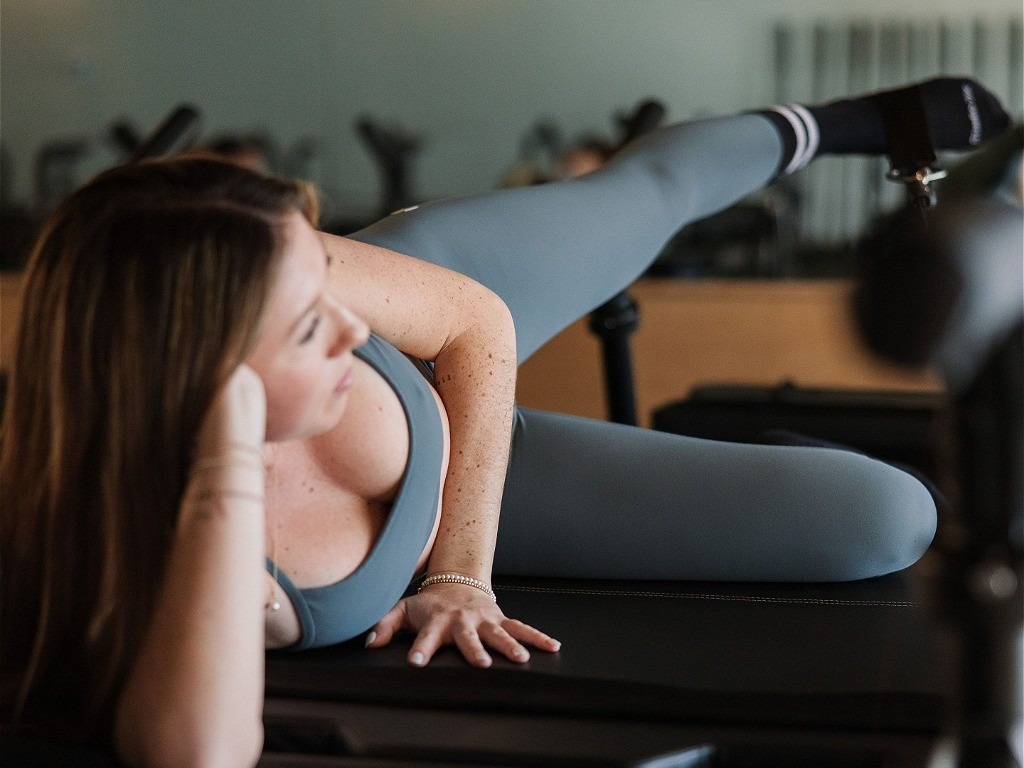
Reformer Pilates classes offer several advantages beyond a typical workout. Because the machine provides adjustable resistance, each class can target strength, flexibility, and posture at once. Moreover, the controlled movements help protect the joints while still challenging the muscles.
Other benefits of reformer Pilates include:
- Improved core strength and stability
- Increased flexibility and range of motion
- Enhanced balance and coordination
- Better posture and alignments
- Low-impact, joint-friendly workout
These benefits make reformer Pilates classes a strong option for people seeking sustainable, long-term fitness results. Over time, consistent practice can improve daily movement patterns and reduce the risk of injury.
Who Should Try Reformer Pilates Classes?
Reformer Pilates classes suit a wide range of fitness levels and goals. Beginners can start with lighter resistance and simple movements, while advanced practitioners can increase intensity for a tougher workout. Furthermore, many athletes use reformer Pilates to complement other training programs.
- Beginners looking for a structured introduction to Pilates
- Athletes wanting to build core strength and flexibility
- Individuals recovering from injury under guided supervision
- Anyone seeking a low-impact alternative to high-intensity workouts
A qualified instructor can adjust each session to match personal needs and fitness history. Finding the right Pilates studio also makes a noticeable difference in comfort and progress. As a result, most people can safely try reformer Pilates classes regardless of age or experience level.
What to Expect in Your First Reformer Pilates Class
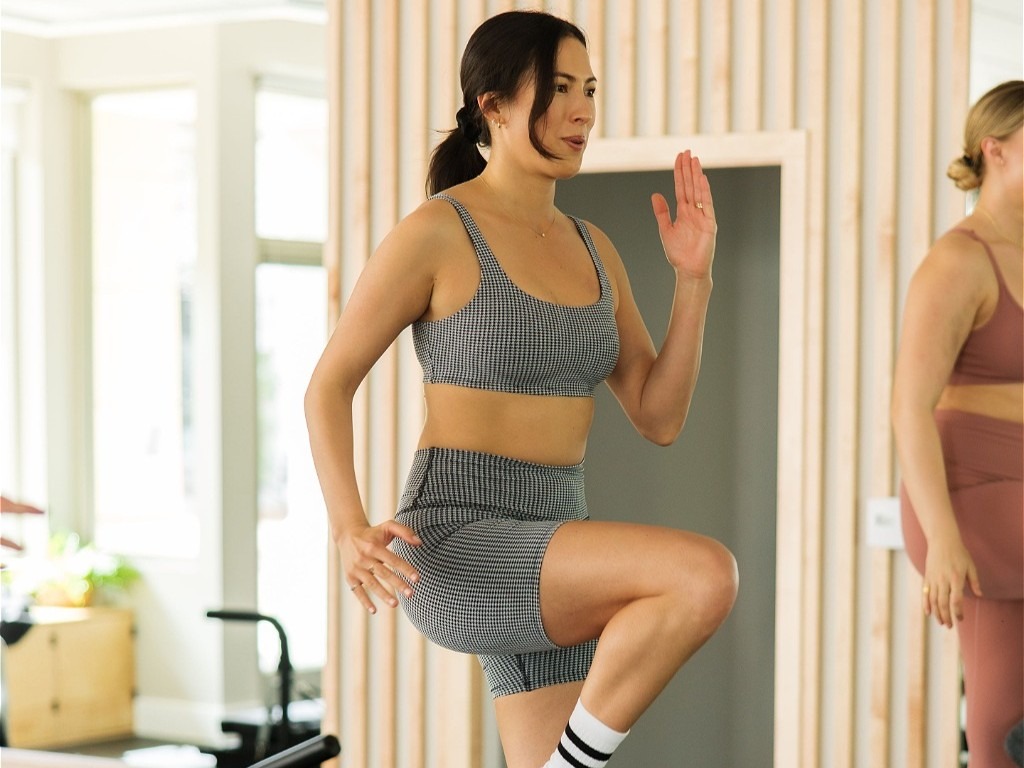
A first reformer Pilates class usually starts with a brief equipment orientation. Instructors explain the springs, straps, and footbar before any movement begins. Because the pace stays slow and controlled, newcomers can focus on form rather than speed. Comfortable, fitted clothing works best, since loose fabric can catch on the machine.
Breathing plays a central role throughout the session. Instructors often cue inhales and exhales to match each movement, which helps build core control. Meanwhile, modifications remain available for anyone managing an injury or limited mobility. As the class progresses, most participants notice steadier balance and improved body awareness by the final exercises.
How Reformer Pilates Compares to Mat Pilates
Mat Pilates relies on body weight alone, while reformer Pilates adds spring-based resistance and support. This difference changes how muscles engage during each exercise. Because the carriage assists certain movements, the reformer can feel more accessible for beginners. However, mat Pilates still builds a strong foundation in core control and alignment.
Many studios encourage students to try both formats over time. For instance, mat classes sharpen bodyweight control, while reformer sessions add variable resistance and joint support. Consequently, combining the two methods often produces well-rounded results. Ultimately, the right choice depends on personal goals, fitness level, and available equipment.
Ready to Try Reformer Pilates Classes?
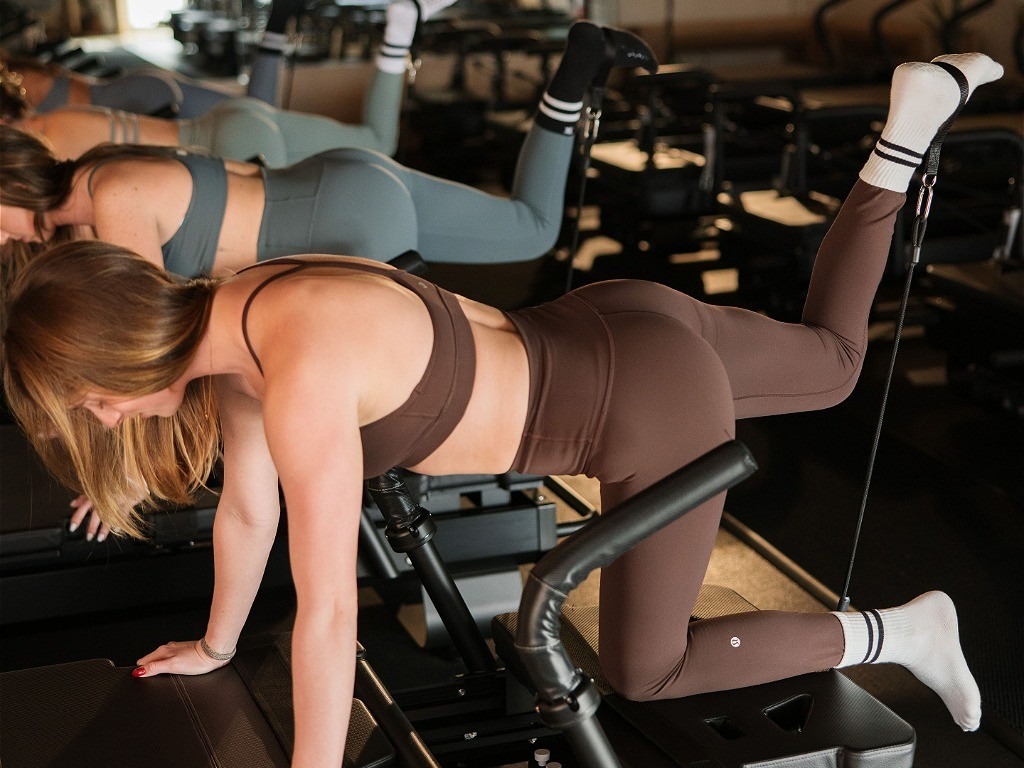
SOLOS Pilates Studio Fitness offers a welcoming reformer Pilates studio for every experience level. Our certified instructors design each class to match your goals, whether you want strength, flexibility, or recovery support. We provide Pilates in Laguna Niguel, La Cumbre, Ladera Ranch, and Goleta, making it easy to find a class near you. Visit a SOLOS Pilates Studio Fitness location today and experience the difference reformer Pilates can make.