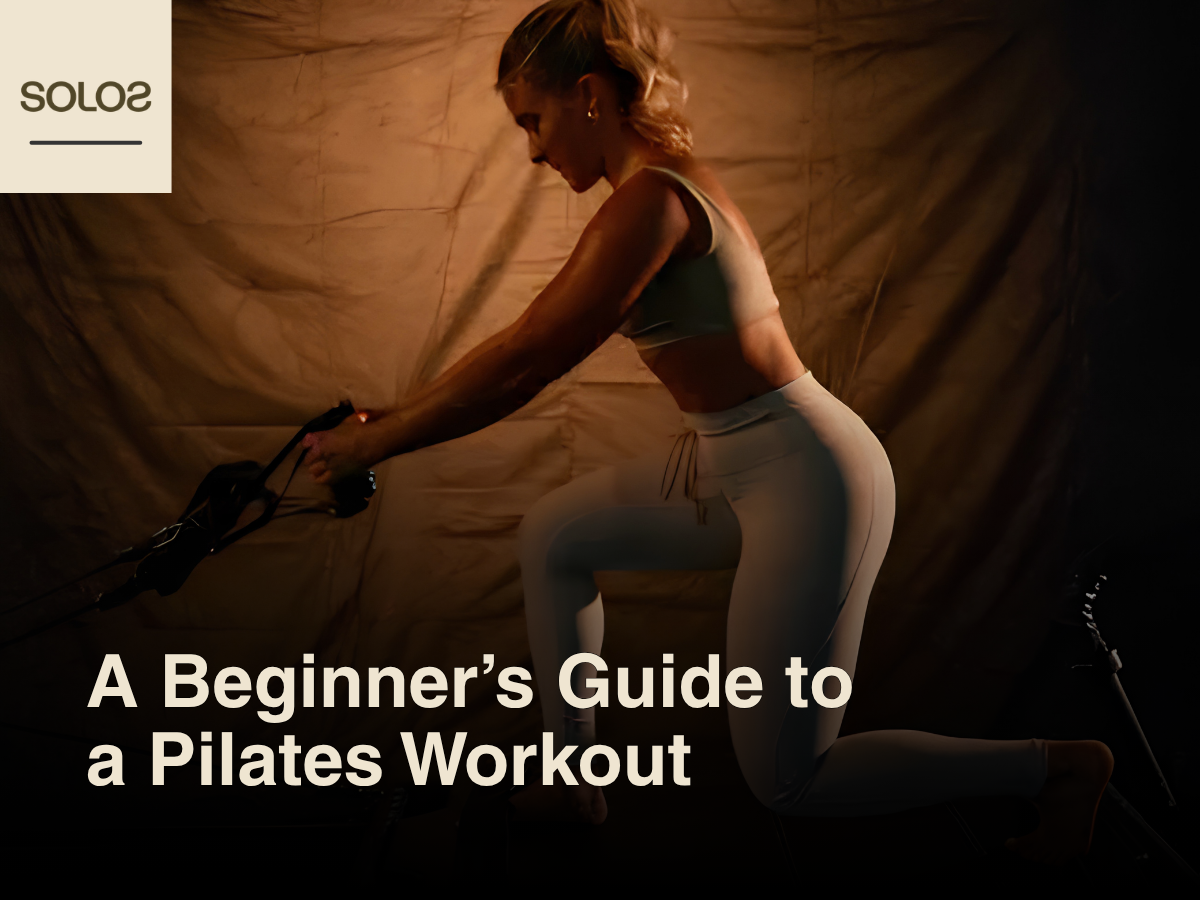

A Pilates workout builds strength through slow, controlled movements. Joseph Pilates created the method in the early 1900s and originally called it Contrology. Since then, the practice has spread worldwide. Today, people of all ages use it to move better, feel stronger, and reduce stress.
Unlike fast cardio, this style rewards precision over speed. Each exercise asks you to focus on alignment and control. As a result, you learn how your body moves. This gentle approach makes it ideal for first-timers. Therefore, beginners can start safely and progress at their own pace.
The Core Principles Behind Every Session
Pilates rests on six key principles. These include concentration, control, centering, flow, precision, and breath. Joseph Pilates designed them to train the whole body as one system. Together, they shape every exercise you perform. Moreover, they separate Pilates from ordinary stretching or general strength training.
Centering refers to the powerhouse, which includes your abdominals, lower back, hips, and glutes. Most movements start there. Consequently, a stronger center supports better posture. In addition, it protects your spine during daily tasks such as lifting and sitting.
Breathing Techniques That Power Your Movement
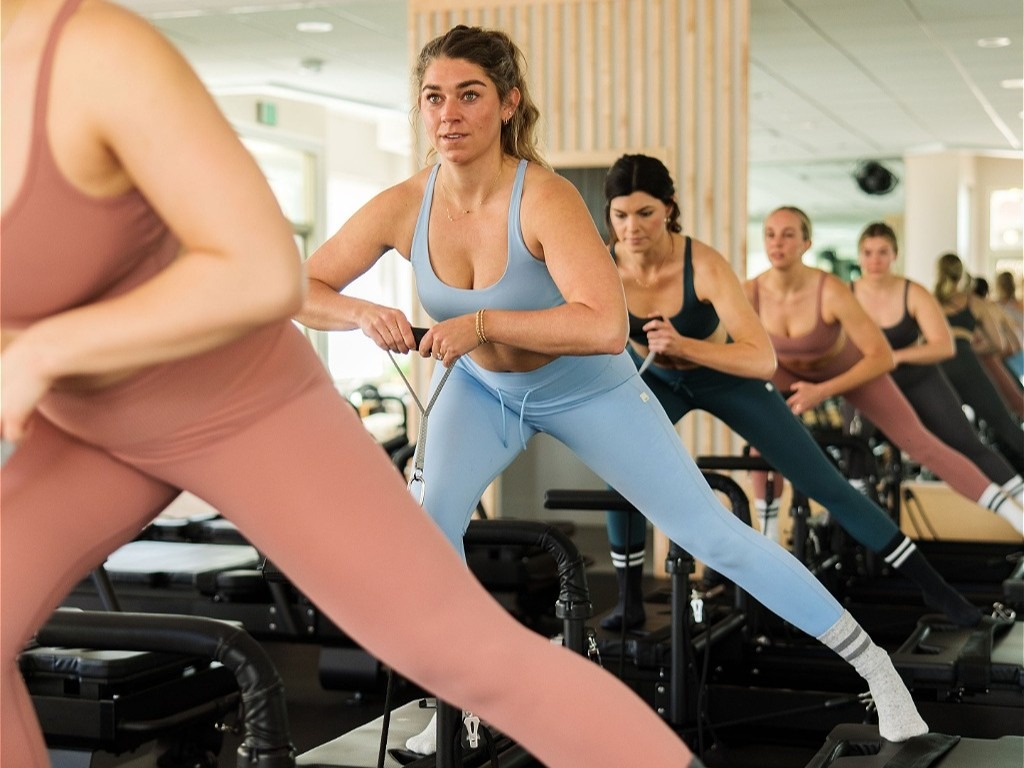
Breathing matters as much as movement in Pilates. Most instructors teach lateral breathing, which expands the ribs sideways. First, inhale through your nose. Then, exhale through your mouth as you engage your core. This rhythm keeps your muscles working and your mind calm.
Additionally, steady breathing helps you move with control. It also delivers oxygen to working muscles. Many beginners hold their breath at first. However, practice makes the pattern feel natural within a few sessions. Consequently, focusing on it early improves every exercise.
Essential Exercises for Your First Pilates Workout
Beginners usually start with a few foundational moves. These exercises build core strength without overwhelming your joints. For example, most mat classes include the following.
- The Hundred, which warms the body and challenges the abs
- The Roll Up, which builds spinal flexibility
- The Single Leg Stretch, which trains core stability
- The Glute Bridge, which strengthens the hips and hamstrings
Start with small ranges of motion. Then, add depth as your strength improves. Moreover, quality always matters more than repetition count. Likewise, rest whenever you feel tired. Also, ask your instructor for modifications if a move feels difficult.
Mat Pilates Versus Reformer Pilates
Mat Pilates uses your body weight and a simple mat. It suits beginners well and requires minimal equipment. Meanwhile, Reformer Pilates uses a sliding carriage with springs. The springs add resistance and support during each movement. In addition, straps and a footbar offer more exercise variety.
Both styles build strength, but they feel different. For instance, the Reformer lets instructors adjust resistance precisely. As a result, it helps many people refine their alignment. Similarly, mat work teaches control without any equipment. Many beginners try both to find their favorite.
Benefits of a Regular Pilates Workout
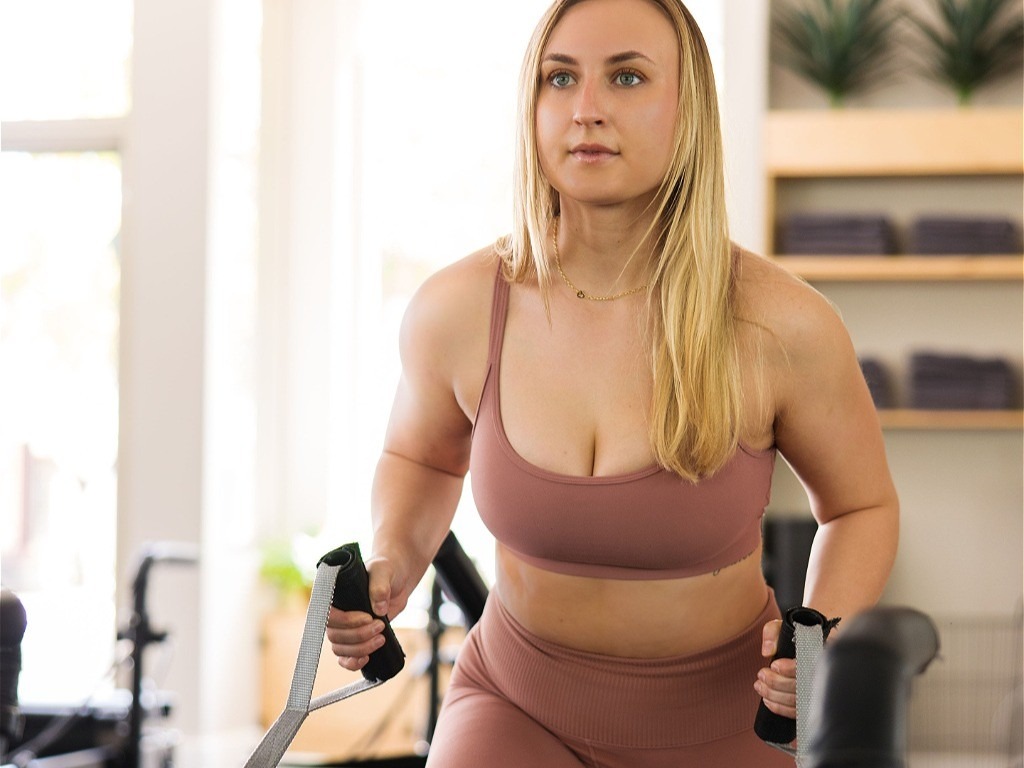
Regular practice delivers benefits beyond a stronger core. Research links Pilates to better flexibility, balance, and posture. Furthermore, studies suggest it may ease lower back pain in some adults. Over time, these gains carry into everyday life. Common benefits of Pilates classes include the following.
- Stronger core muscles and better stability
- Improved posture and spinal alignment
- Greater flexibility and range of motion
- Sharper balance and body awareness
Also, the low-impact nature protects your joints. Therefore, Pilates suits many people recovering from injuries, with a doctor's approval. Similarly, it complements running, weightlifting, and yoga. Consequently, athletes and beginners alike add it to their routines.
Tips for Proper Form and Safe Progress
Good form protects your body and improves results. First, keep your neck long and your shoulders relaxed. Next, avoid arching your lower back during core work. Finally, move slowly and stop when something hurts. Above all, listen to your body.
Additionally, a certified instructor can correct small mistakes early. That guidance is why many beginners join a Pilates studio instead of practicing alone. Meanwhile, comfortable clothes and grip socks improve your stability. Also, tell your instructor about any injuries before class.
Start Your Pilates Journey Today
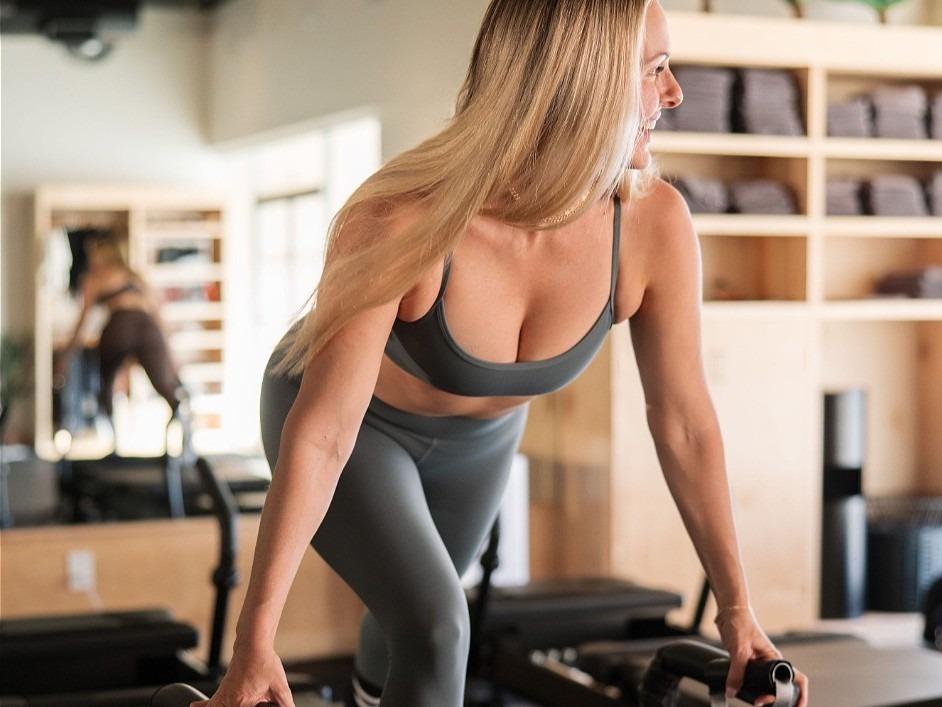
Ready to begin your first class? SOLOS Pilates Studio Fitness welcomes beginners with supportive, well-paced classes. Our instructors guide you through every movement with care. Moreover, a Pilates class membership gives you the structure to build a lasting habit.
Book a class today and experience Pilates in Laguna Niguel, Goleta, Ladera Ranch, and Santa Barbara. Whether you want strength, flexibility, or relief from stiffness, you will find a welcoming community. Take the first step, and your body will thank you.